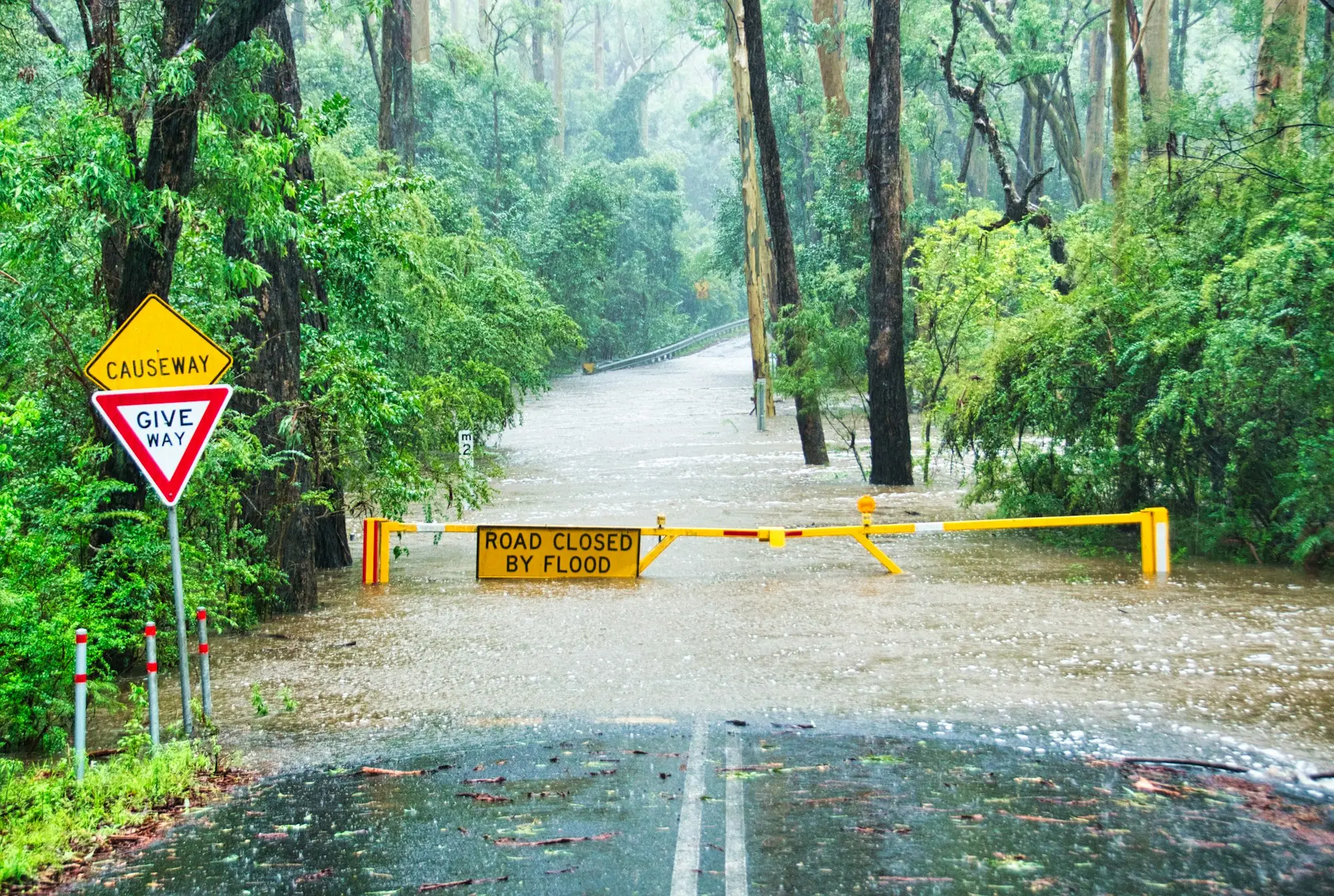
Business emergency kit
Crisis hit your business? Get a calm plan, then the funding to recover.
Flood, fire, storm, a dead machine, a cyber attack or a customer gone under. Start with the right first steps and every dollar of free help — then we'll help fund the gap that's left.
- No credit check to enquire
- No lead farming
- A real person calls you
No credit check to enquire
Telling us what happened and what you need leaves your credit file untouched. A credit check only comes up if you decide to proceed.
No spray-and-pray
In a crisis the last thing you need is ten lenders ringing. Your enquiry isn't auctioned or broadcast — one team works on it.
A real person on your case
Someone reads your situation and calls you to work through it. Accurate answers on the form help us match you properly the first time.
Signature tool
Your first three moves, right now
Choose the event and see the first three things to do today. The full emergency action checklist adds the first week, who to call, help and grants to check, funding options and the documents to save.
- 01First 24 hours
- 02First week
- 03Who to call
- 04Help and grants
- 05Funding options
- 06Documents to save
The order that works
Four steps, in the right order
Borrowing is step four, not step one. Businesses that recover best tend to follow this sequence.
- 1
People and safety
Follow emergency services, account for staff, don't go back in until it's safe.
- 2
Evidence and insurer
Photos and video before clean-up, a loss list, every receipt. Lodge the claim early. How to document damage.
- 3
Free help first
Declared-disaster grants and loans, ATO deferrals, bank and landlord hardship, free counselling. Where to look.
- 4
Fund only the gap
Size it with a forecast, match the term to a clear exit, and borrow for what's left. How emergency funding works.
Crisis events
Pick the crisis — get the playbook
Each page covers the first day, the first week, who to call, the help that exists and how businesses usually fund the gap.
Flood damage
A calm flood recovery plan for Australian businesses: the first 24 hours, the first week, disaster help to check and how a flood recovery loan fills the gap.
First steps →Bushfire
Bushfire hit your business? What to do in the first day and week, which recovery grants and loans to check, and how to fund rebuilding and reopening.
First steps →Storm & cyclone
Roof off, power out, stock ruined? A storm and cyclone recovery plan for Australian businesses — first steps, disaster help to check and funding the gap.
First steps →Premises fire
An electrical fire, kitchen fire or arson has closed your premises. What to do first, what the ATO says about repairs and payouts, and how to fund reopening.
First steps →Equipment breakdown
Key machine, truck or cool room broken down? How to decide repair versus replace, check your insurance and fund the fix fast with equipment breakdown finance.
First steps →Cyber attack
Ransomware, hacked email or stolen payments? Who to call, what to do in the first day and week, and how to keep the business funded while systems recover.
First steps →Customer collapse
A key customer has gone into liquidation or administration owing you money. What to do first, your creditor rights, and how to fund the cash flow hole.
First steps →Insurance delay
Insurance claim delayed and bills piling up? The Code of Practice timeframes, how to push a stalled claim, when to go to AFCA and how to fund the wait.
First steps →Supplier failure
Your main supplier has collapsed, stopped shipping or lost your prepaid order. What to do first, how to secure new supply and fund stock on tighter terms.
First steps →Key staff loss
Your best estimator, head chef or only licensed tradie has left, fallen ill or passed away. How to steady the business, protect customers and fund the gap.
First steps →Power or access cut
Prolonged power outage, closed highway or cordoned-off street? How to protect stock, record lost trade, check cover and fund the weeks you can't open.
First steps →Not sure where to start?
Open the free emergency action checklist and pick the closest match — the first-day steps work for most crises.
First steps →Disaster help
Check the free help before you borrow a dollar
Grants, concessional loans, tax relief and free counselling can take a real bite out of the gap. We'd rather you claim every bit of it.
- 1800 806 218ATO Emergency Support Infoline
- 13 28 46business.gov.au
- 1800 413 828Small Business Debt Helpline (free)
- 1300 292 371Australian Cyber Security Hotline
Finding disaster help
How to check whether your area is a declared disaster, where business assistance is listed, and how to find grants, loans and advice for your event.
Read more →Recovery grants
How disaster recovery grants for small businesses work in Australia — who funds them, typical uses, evidence required, tax treatment and funding the gap.
Read more →Concessional disaster loans
Low-interest disaster assistance loans for small businesses and primary producers — who offers them, what they cover and what to do while approval is pending.
Read more →ATO disaster support
What the ATO can do for a business after a flood, fire or cyclone — the Emergency Support Infoline, deferrals, replacement records and payment plans.
Read more →Tax on grants and payouts
Are disaster grants and insurance payouts taxable for Australian businesses? What the ATO says about NANE grants, stock payouts, assets and repairs.
Read more →Insurance complaints
Claim denied, underpaid or stuck? How a small business can complain to its insurer, when to take it to AFCA, and what to prepare so the dispute moves faster.
Read more →Free support services
Free financial counselling, recovery advice and mental health support for Australian business owners after a disaster or crisis — who to call and why.
Read more →Recovery contacts by state
Which agency runs disaster recovery and business help in your state — NSW, Queensland, Victoria and the rest — plus the national numbers to keep handy.
Read more →Recovery funding
When insurance is slow and grants won't stretch
Realistic ways to fund a business back on its feet, for business purposes only.
- Property-secured
- $20,000 to $5,000,000
- Unsecured and cash-flow
- Typically $5,000 to $500,000
- Speed (property-secured)
- $20k–$250k possible same day; up to $5m possible in 24–48 hours
- Credit history
- Bad credit and ATO debt considered case by case
Emergency business loans
Business emergency funding explained — secured and unsecured options, what's realistic on timing, what lenders need and how to size the loan to the real gap.
How it works →Underinsurance gap
Payout won't cover the rebuild? Why business insurance shortfalls happen — excess, sums insured, exclusions — and how to fund the difference sensibly.
How it works →Equipment replacement
Equipment written off by flood, fire or breakdown? How to fund a replacement machine, vehicle or cool room quickly, and what lenders need to see.
How it works →Property-secured funding
Using home or commercial property equity to fund a business emergency — first and second mortgages, caveat loans, amounts, timing and exit planning explained.
How it works →Unsecured emergency cash
No property to offer? How unsecured emergency business loans and lines of credit work, what lenders read in your bank statements, and how much is realistic.
How it works →Wages through a crisis
Business closed by flood, fire or a crisis? How to keep staff paid, what help may exist for workers, your obligations and how to fund payroll meanwhile.
How it works →Restocking after a loss
Stock ruined or stolen? How to document the loss, what the ATO says about stock payouts, and how to fund restocking quickly so customers don't go elsewhere.
How it works →Temporary premises
Premises unusable after a flood, fire or storm? Options for trading from temporary premises, what it costs, what insurance may cover and how to fund the move.
How it works →Bad credit or ATO debt
A crisis on top of past credit issues or an ATO debt? How lenders view bad credit in an emergency, what helps your case and when property security helps.
How it works →Start a 60-second enquiry → No credit check when you first enquire.
Crisis money myths
Four things owners often get wrong
The government will cover my losses.
Disaster help is event-specific, capped and usually for clean-up, repairs and reopening. It's worth chasing — but rarely covers everything.
Insurers have to pay within a few weeks.
Under the General Insurance Code of Practice, subscribing insurers generally commit to a decision within four months, with updates at least every 20 business days.
Grant money is tax-free.
The ATO treats business disaster grants as assessable unless they're on its NANE list. Set some aside.
Borrowing should be the first call.
It should be the last. Safety, evidence, your insurer, the ATO and free help come first. Then fund only the gap.
Free tool
How long can you stay shut?
Work out how many weeks your cash lasts while trading is disrupted, and the gap between now and reopening.
Work out my runway →How it works
From enquiry to funding, calmly
- Tell us what happened. About 60 seconds: the event, what you need, what it's for, your state and any property. No credit check.
- A real person calls. We ask about insurance, grants and timing — and tell you if free help could cover more of it.
- Options that fit. Property-secured or unsecured, sized to the gap, with a clear exit.
- Documents, approval, funding. Only once you decide to go ahead. More on how it works.
Guides
Prepare on a quiet day
Practical guides for before, during and after a business crisis.
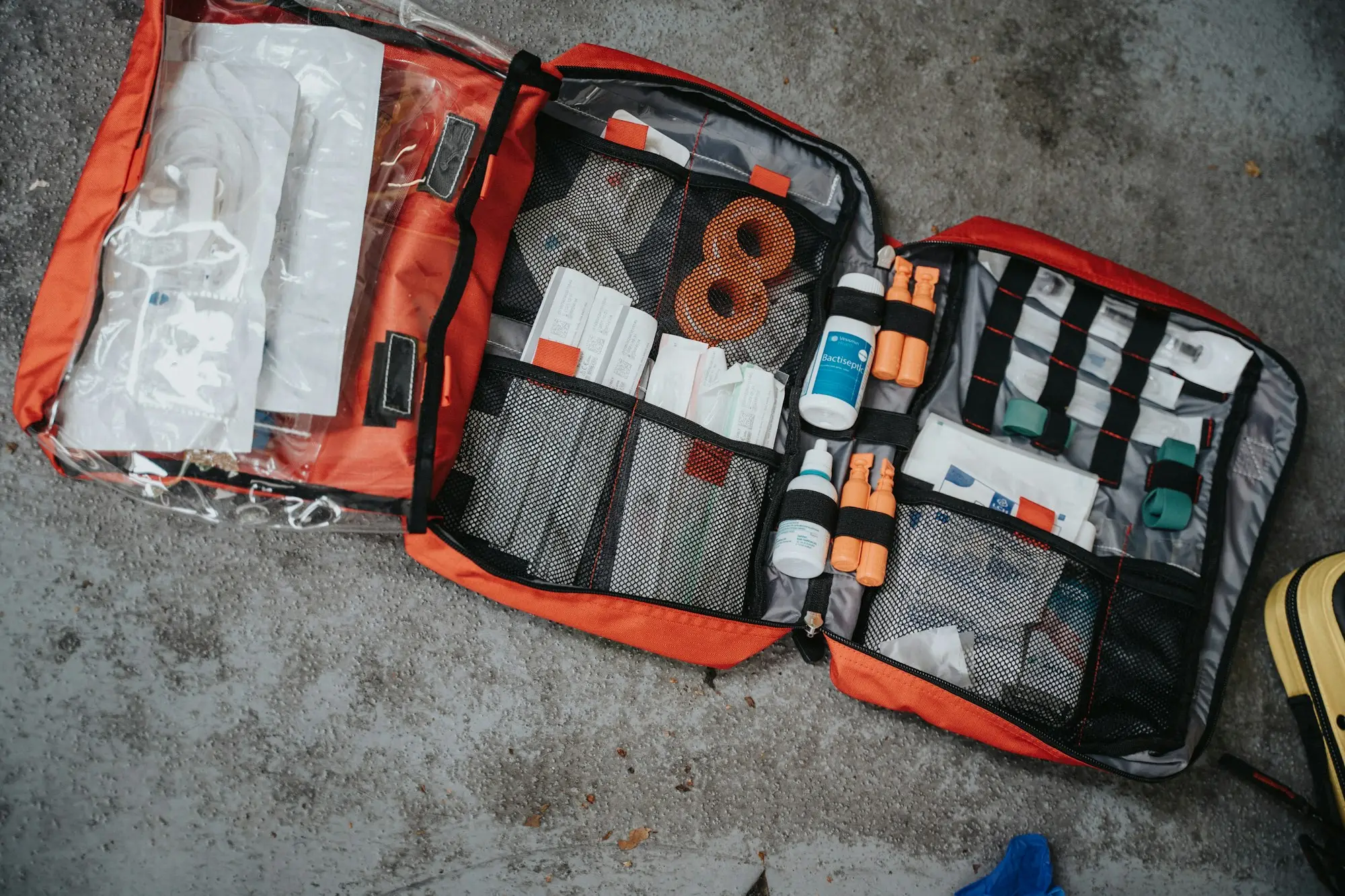
Business Emergency Kit: Documents and Grab-Bag Checklist
A business emergency kit checklist — the documents, contacts, data and supplies to keep ready so a flood, fire or cyber attack doesn't wipe your records.

13-Week Cash Flow Forecast for Crisis Recovery
How to build a 13-week cash flow forecast after a disaster or business crisis — what to include, how to treat insurance and grants, and how to size funding.

How to Document Damage for a Business Insurance Claim
Photos, video, loss lists and receipts: a step-by-step way to document flood, fire or storm damage so your business insurance claim moves faster.
Business Insurance Review Before Bushfire and Storm Season
Twelve questions to ask your insurer or broker before bushfire, storm and cyclone season — sums insured, flood, business interruption, access and more.

Small Business Continuity Plan: A One-Page Template
A simple one-page business continuity plan template for Australian small businesses — critical activities, people, suppliers, data, premises and money.

Payment Redirection Scams: Protecting Your Business
Fake 'new bank details' invoices cost businesses dearly, especially after a crisis. How these scams work, the warning signs and what to do if you're hit.
Emergency funding questions
What is emergency funding for a business?
It's finance arranged at short notice to keep a business going through a crisis — damage from a flood, fire or storm, a breakdown, a cyber attack, a collapsed customer or supplier, or an insurance claim that's taking too long. Options include property-secured loans from $20,000 to $5,000,000 and unsecured funding typically from $5,000 to $500,000.
Should I apply for grants before borrowing?
Yes. Check DisasterAssist and business.gov.au for help tied to your event, ask the ATO about deferrals, and talk to your bank and landlord about hardship options. We'd rather you get every dollar of free help first — then fund whatever gap remains.
Does enquiring affect my credit score?
No. There's no credit check when you first enquire. A credit check is only discussed if you decide to go ahead with an application.
How fast can emergency funding happen?
It depends on the security and documents. Property-secured amounts of $20k to $250k are possible same day, up to $5m is possible within 24–48 hours, and same-day funding is possible for smaller unsecured amounts.
Will my details be sent to lots of lenders?
No. Your enquiry isn't sold, auctioned or broadcast. One team reads it and a real person calls you to understand what happened.
Can I get emergency funding with bad credit or an ATO debt?
Possibly. Past credit issues and ATO debt are considered case by case. A clear explanation, a realistic way to repay and, for larger amounts, property security all help.
My business is closed. Can I still borrow?
Property-secured funding doesn't rely on this month's trade, so it's often the realistic option while a business is closed. Repayment usually comes from an insurance payout, a grant, returning trade or a refinance.
What can the funding be used for?
Business purposes only — repairs, replacement equipment, restocking, wages, rent, supplier deposits, temporary premises, tax debts and other costs of getting the business trading again.
Ready to fund the gap?
Tell us what happened in about a minute. No credit check when you first enquire, no spraying your details across lenders, and a real person on your case. Accurate answers help us match you first time.
No credit check to enquire
No spray-and-pray
A real person on your case